


Málaga is much more than beaches, grilled sardines and sunny days by the Mediterranean. Just a few kilometres from the city, you’ll find white villages, Moorish fortresses, cobbled streets, mountain scenery and viewpoints that reveal another side of the province.
If you’re looking for charming villages near Málaga for a getaway, there are options for almost every kind of trip: from a relaxing morning exploring Mijas to a weekend immersed in history and nature in Ronda.
This selection brings together some of the prettiest villages near Málaga, taking into account their heritage, natural surroundings, distance from the city and suitability for a one- or two-day getaway.
The best charming villages near Málaga
Frigiliana
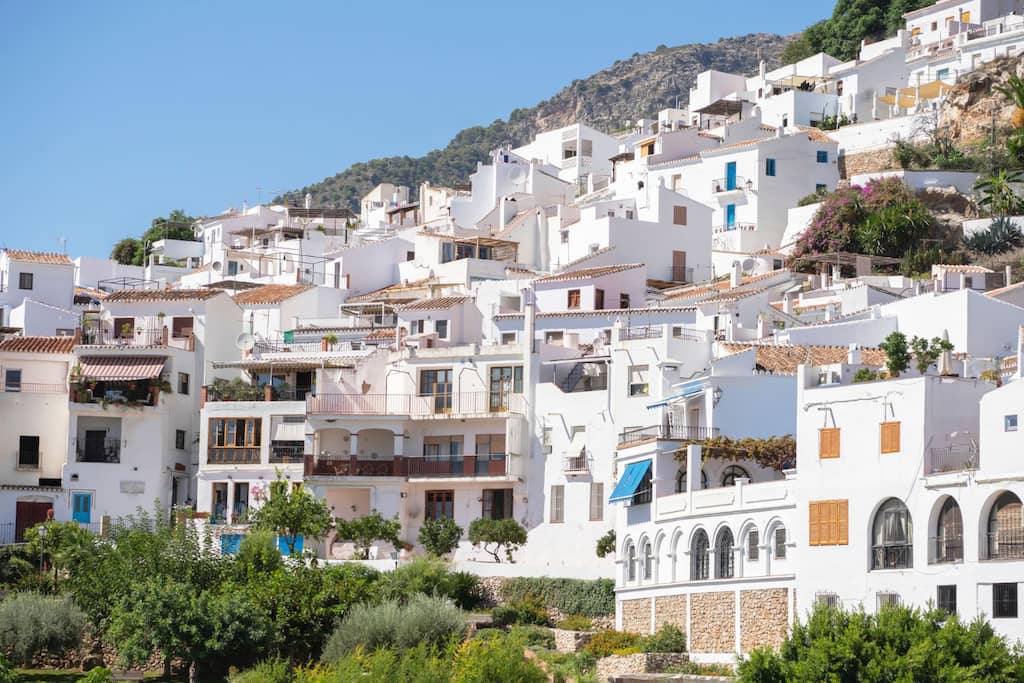
Narrow streets, whitewashed façades, flowers, stairways and small squares make up the scene that has turned Frigiliana into one of the most photographed villages in the province.
It is located in the Axarquía region, and its historic centre retains a strong Moorish heritage. One of its main attractions is wandering through the old Arab quarter and discovering spots such as Calle Real, Fuente Vieja, the Reales Pósitos and the various viewpoints overlooking the surrounding area.
Frigiliana is also close to the natural setting of the Sierras de Tejeda, Almijara and Alhama, making it a great choice if you want to combine a cultural visit with nature or hiking. It is less than 60 kilometres from Málaga city.
Ideal for: couples, photography and half-day or full-day trips.
Don’t miss: wandering through the old town and stopping at its viewpoints.
Mijas Pueblo
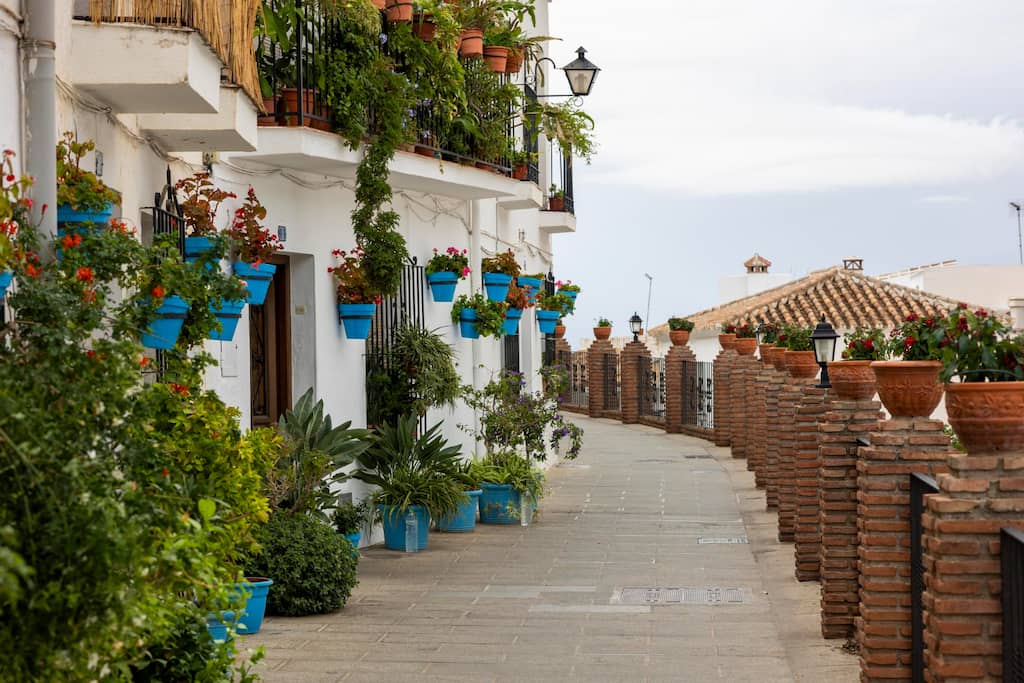
If you’re looking for a beautiful destination without spending too long in the car, Mijas Pueblo is one of the best options. The drive from Málaga takes around half an hour.
It looks just like a classic Andalusian white village: well-kept streets, white façades decorated with flowers and plenty of places to take in views of the Costa del Sol.
Its best-known sights include the Hermitage of the Virgen de la Peña, carved into the rock, Plaza de la Constitución and the unusual oval-shaped bullring. The viewpoints scattered throughout the town are another major attraction.
The municipality also includes coastal areas such as La Cala de Mijas, so you can easily combine a village visit with time by the Mediterranean on the same trip.
Ideal for: a half-day trip from Málaga.
Don’t miss: the coastal views from the area around the old walls.
Nerja
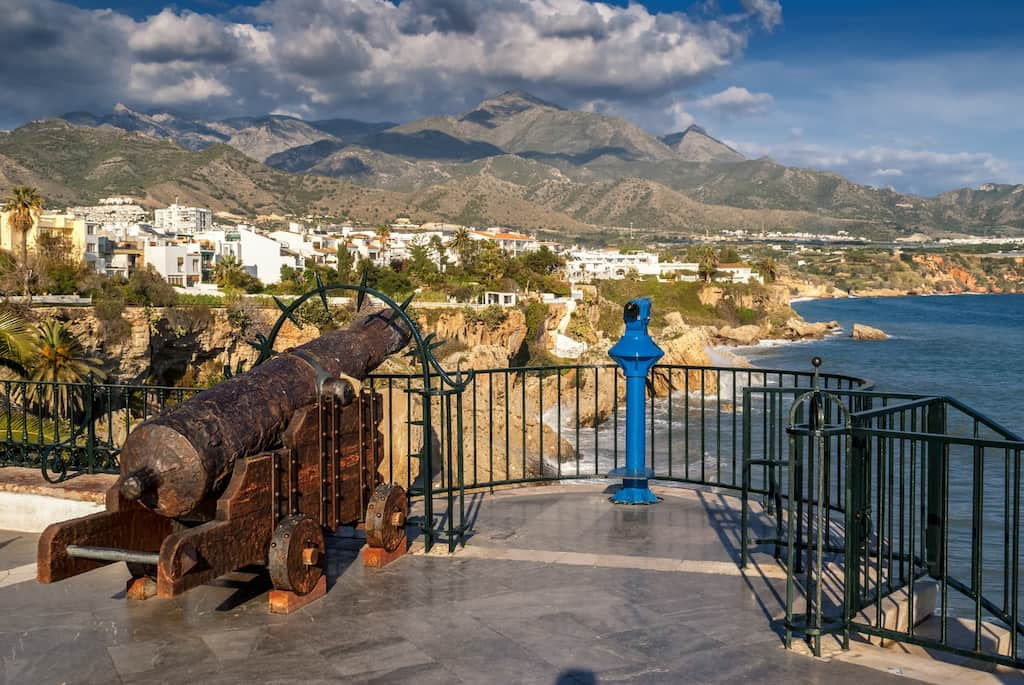
Nerja combines things few destinations can offer in a single day: a historic centre, beaches, cliffs and one of the province’s best-known natural attractions.
The Balcón de Europa is its most iconic landmark and one of the best places to take in views of the Mediterranean. The Nerja Cave is also well worth a visit, known for its geological formations and archaeological importance.
Nerja is about 70 kilometres from Málaga city, and the drive takes around 50 minutes, depending on traffic.
A particularly appealing plan is to visit Frigiliana in the morning and Nerja in the afternoon. The two towns are only a few kilometres apart, making it easy to combine a white village and the coast in one trip.
Ideal for: couples, families and getaways that combine sightseeing and beach time.
Don’t miss: the Balcón de Europa in the late afternoon.
Antequera
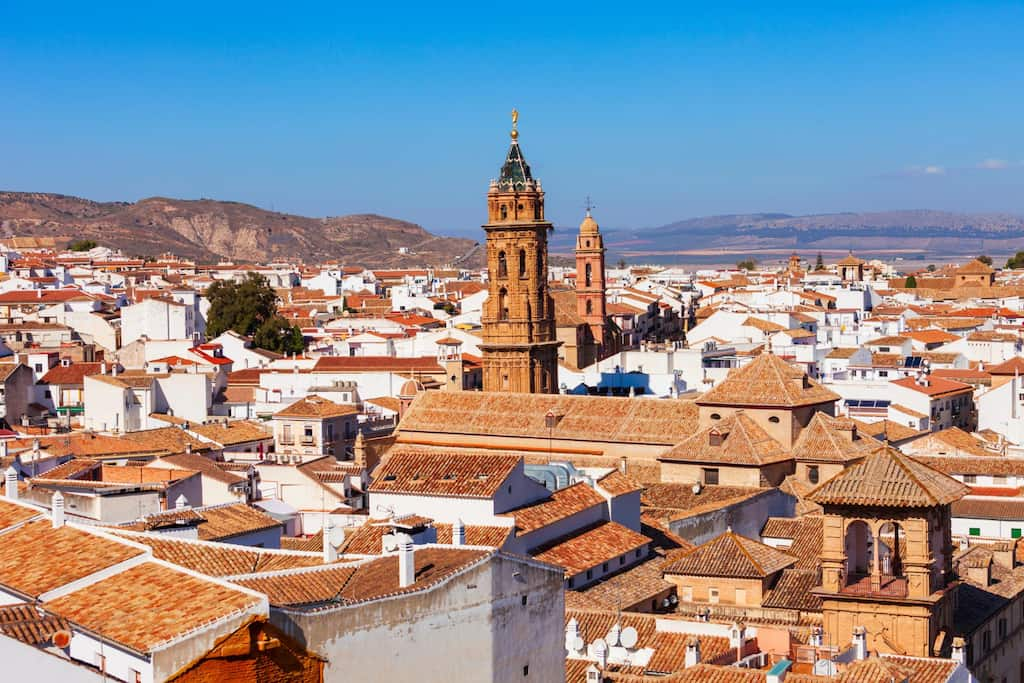
Antequera is one of the most rewarding day trips from Málaga, bringing together impressive heritage and some of the most unusual landscapes in the province’s interior.
Highlights in the historic centre include the Alcazaba, the Royal Collegiate Church of Santa María la Mayor, and numerous churches and squares. But two of its biggest attractions lie just beyond the town centre: the Antequera Dolmens Archaeological Site and the karst landscape of El Torcal.
The drive from Málaga takes around 45 minutes, making Antequera especially convenient for a day trip.
Ideal for: lovers of history, archaeology and hiking.
Don’t miss: combining a visit to Antequera’s centre with a trip to El Torcal.
Álora
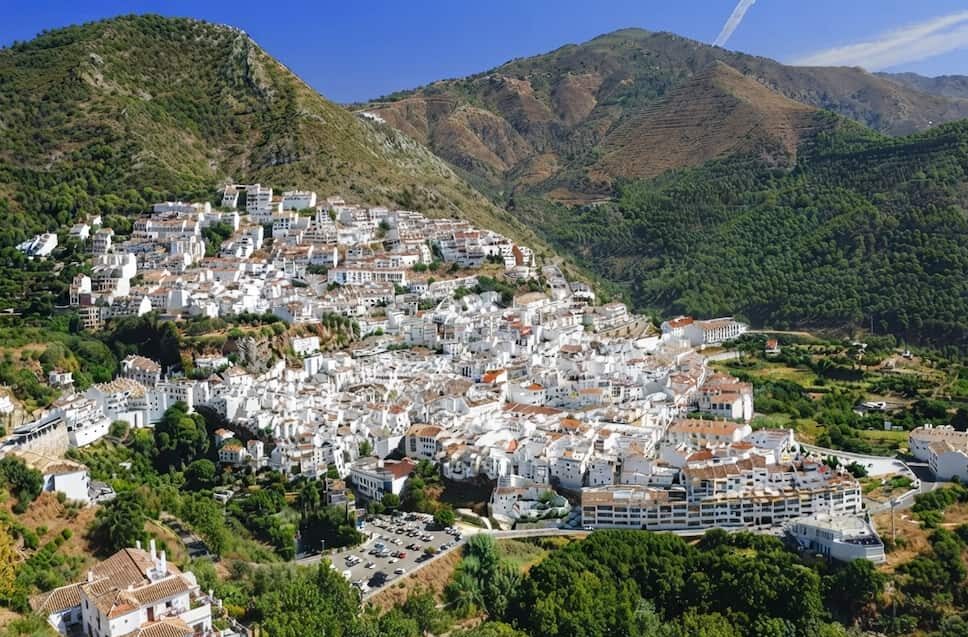
Located in the Guadalhorce Valley, Álora is another appealing option for those looking for nature without giving up the charm of traditional white villages.
The town spreads across the slopes of several hills and is crowned by the remains of its castle. Its main points of interest include the Arab Castle of Álora and the Church of Nuestra Señora de la Encarnación.
One reason Álora is particularly appealing is its proximity to the Desfiladero de los Gaitanes gorge and the Caminito del Rey. This makes it easy to plan a trip that also focuses on hiking and scenery.
Ideal for: active holidays and nature getaways.
Don’t miss: the panoramic views from the upper part of the village.
Comares
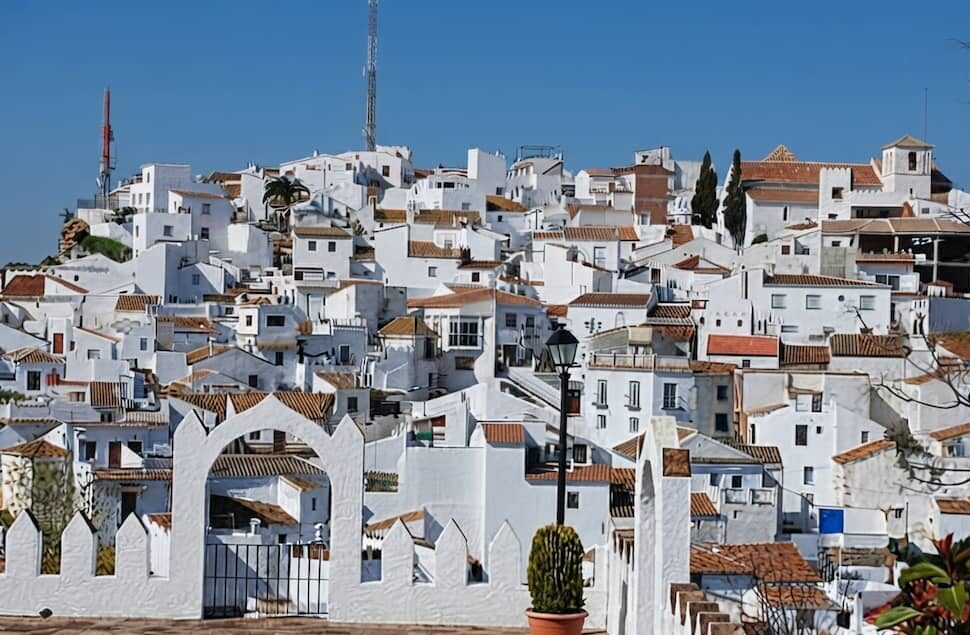
For those who prefer places that are a little less crowded, Comares is one of the most appealing options.
The village stands on a rocky outcrop and retains many traces of its Arab past, including remnants of walls, arches and old defensive structures. Notable spots include the Puerta de Málaga and Plaza de los Verdiales.
Its elevated position also makes Comares a wonderful natural viewpoint over the landscapes of the Axarquía.
This is one of those destinations where the main attraction is not just the monuments. It’s worth taking a leisurely walk through its streets and enjoying the views.
Ideal for: unwinding, photography and rural tourism.
Don’t miss: the views over the Axarquía mountains.
Ronda
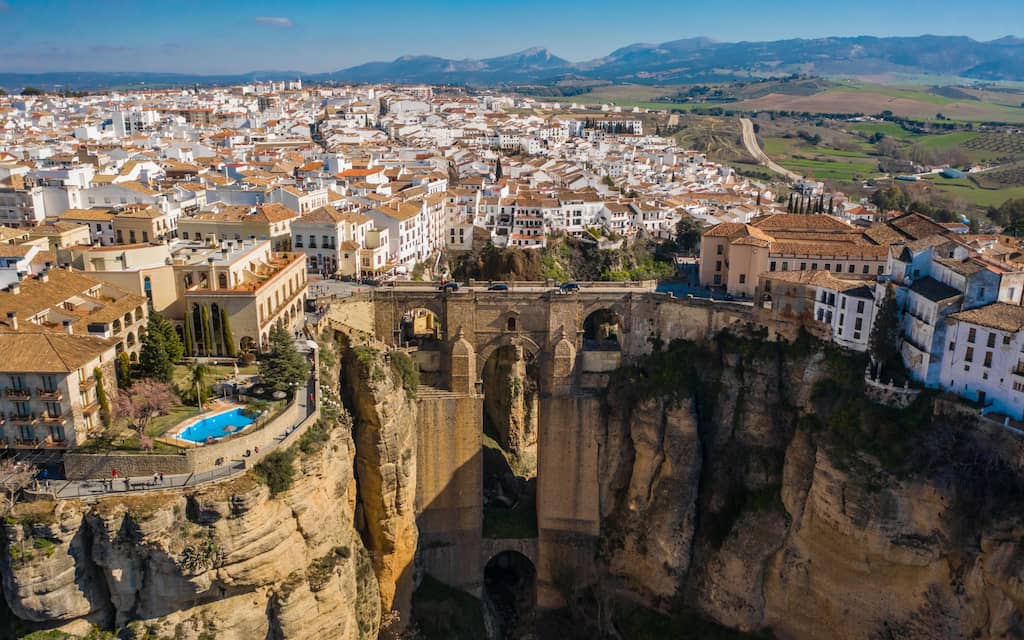
Although it is a little farther away than Mijas, Antequera or Frigiliana, Ronda is well worth extending your trip to include.
Its best-known landmark is the New Bridge over the El Tajo gorge, which connects the two parts of the city, divided by the deep canyon of the Guadalevín River. Ronda also boasts an impressive historic heritage, including Arab Baths, palaces and numerous religious buildings.
The drive from Málaga city takes around an hour and a half.
With so much to see, Ronda is better suited to a full-day trip or even a weekend getaway than to a quick visit.
Ideal for: romantic getaways, heritage and gastronomy.
Don’t miss: the different views of the New Bridge and El Tajo gorge.
Casares
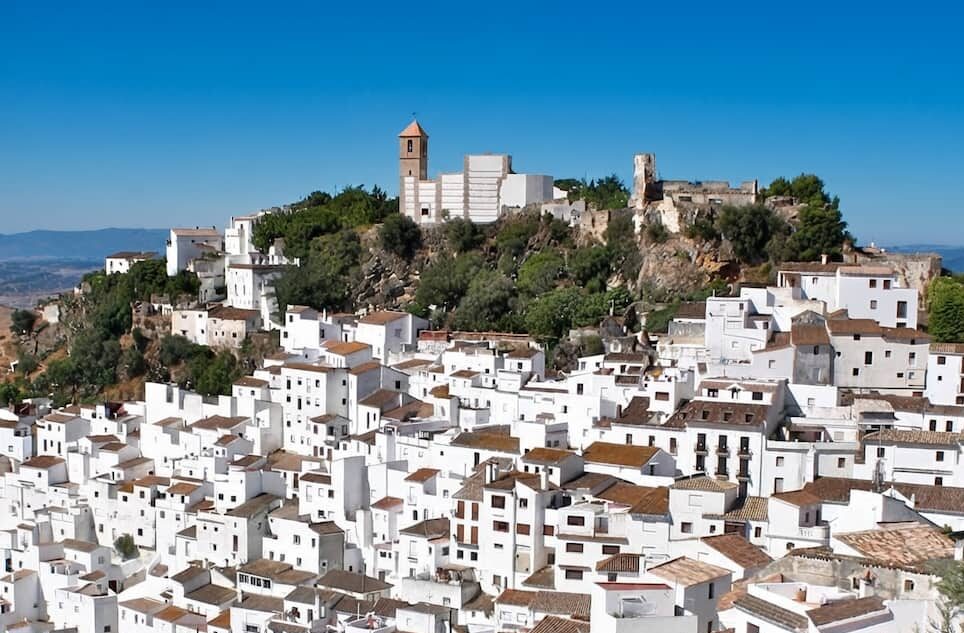
The outline of Casares is one of the most distinctive sights in inland Málaga: a cascade of small white houses stretching up the hillside around the remains of an old fortress.
Its historic centre has been designated a Historic-Artistic Site. Among its main attractions are the ruins of the Arab fortress, the Round Cemetery and the birthplace of Blas Infante.
The drive from Málaga takes around an hour and 20 minutes.
Its proximity to the Costa del Sol also makes it easy to plan a getaway that combines the inland area and the coast.
Ideal for: photography, history and weekend trips for couples.
Don’t miss: the full panoramic view of the village from the approach road.
Genalguacil
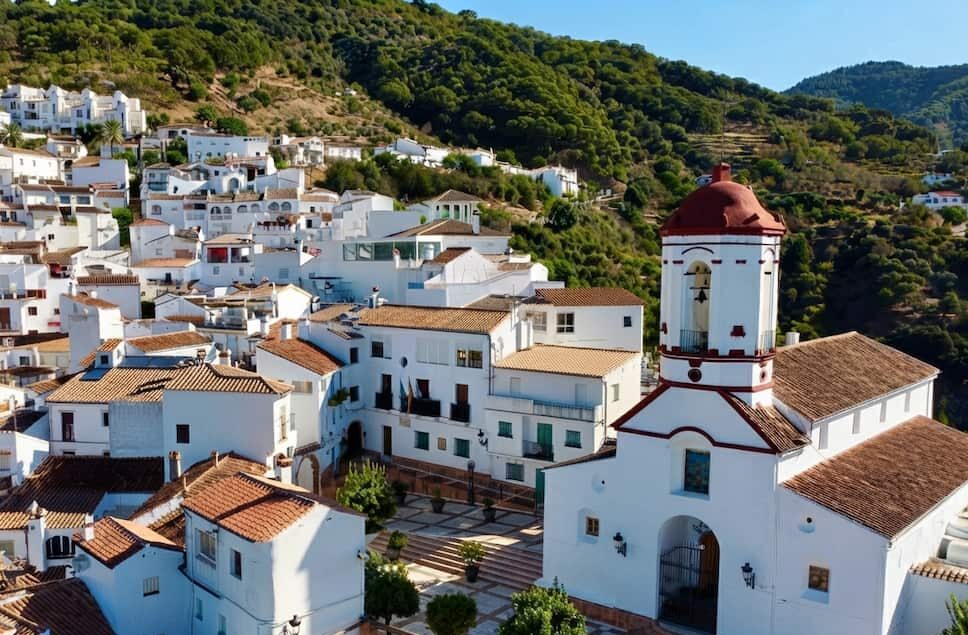
Genalguacil shows that Málaga’s white villages can also become spaces for contemporary art.
Known as the “museum village”, its streets are dotted with artworks integrated into façades, squares and corners of the town. This is linked to the Art Meetings held in the municipality.
Genalguacil is located in the Genal Valley, and its setting makes it easy to combine art, traditional architecture and hiking. The drive from Málaga takes around an hour and 50 minutes, making it especially suitable for a full-day trip or weekend getaway.
Ideal for: travellers looking for somewhere different, art and nature.
Don’t miss: discovering the artworks as you explore the village streets.
Júzcar

If, after visiting so many white villages, you’re looking for something completely different, the last destination on our list is Júzcar.
Located in the heart of the Serranía de Ronda, the village became famous when its houses were painted blue to promote a Smurfs film. Although it later stopped officially using the name associated with the characters, the distinctive blue colour of its façades became part of its tourist identity.
Its mountain setting and adventure activities also make it an especially appealing option for families with children.
Ideal for: families and unusual getaways.
Don’t miss: exploring its streets in search of the most curious corners and murals.
Best time to visit Málaga’s prettiest villages
Málaga’s villages can be visited all year round, although each season offers a different experience.
- Spring is one of the best times to explore them. Temperatures are usually pleasant, and the inland scenery is especially attractive.
- In summer, towns in elevated or mountainous areas can be a welcome alternative to the beaches of the Costa del Sol. Even so, if you plan to walk for several hours, it’s best to avoid the hottest part of the day.
- Autumn is a particularly interesting time to discover areas such as the Genal Valley, where the scenery changes with the arrival of the new season.
- In winter, destinations such as Ronda, Antequera and Frigiliana are ideal for quieter getaways and often have fewer visitors.
Tips for planning a route through Málaga’s villages
Before setting off, keep a few practical points in mind:
- Don’t try to visit too many villages in one day. Distances may look short, but many inland roads are winding, and journeys can take longer than expected.
- Check where to park before you arrive. Historic centres often have narrow streets and areas where vehicle access is restricted.
- Wear comfortable shoes. Hills, steps and cobbled streets are common in many white villages.
- Book popular activities in advance. If you want to add places such as the Caminito del Rey or certain sightseeing tours to your trip, check availability ahead of time.
- Check the weather if you’re going hiking. Conditions can vary considerably between the coast and the mountainous inland areas.
- Leave time to explore the villages on foot. Much of their charm lies in the little squares, viewpoints and streets tucked away from the most obvious routes.
Conclusion
Exploring Málaga’s villages is a wonderful way to discover a province full of history, nature and surprising landscapes beyond the coast.
If you’d like to add something different to your getaway, at Aventouralia you can enjoy buggy tours in Málaga and quad biking in Málaga, perfect for adding some adventure and seeing the area from a different perspective.
From white villages to inland routes, Málaga always has new places to discover and new ways to enjoy them.