


Yes, in Spain it is mandatory to wear a helmet when driving a quad, both on urban and interurban roads. This regulation applies regardless of whether the vehicle is used for leisure, work, or rental purposes. The rule aims to protect drivers and passengers in case of accidents, with penalties applied for non-compliance.
What does the regulation say about quads?
According to the Dirección General de Tráfico (DGT), quads are classified as motor vehicles, specifically within the category of special vehicles or light/heavy quadricycles, depending on their technical characteristics (engine displacement, power, maximum authorized mass, etc.).
This means that they must comply with all traffic regulations applicable to motor vehicles, including:
- Having a license plate and mandatory insurance.
- Driving on the road (not on sidewalks or bike lanes).
- Passing the ITV (vehicle inspection), if applicable.
- Using approved lights and signaling systems.
- And most importantly: wearing an approved protective helmet for both the driver and the passenger.
Additionally, it is mandatory to have the appropriate driving license (AM, B, or specific depending on the quad type). Failure to comply may result in fines and vehicle immobilization.
Does the rule apply to tourist routes and rentals?
Yes. Wearing a helmet is mandatory even during tourist or leisure activities. Whether on a ride with a quad rental in Malaga or an excursion with quads in Marbella, all participants must wear an approved helmet. Companies are required to provide helmets and ensure their use throughout the activity.
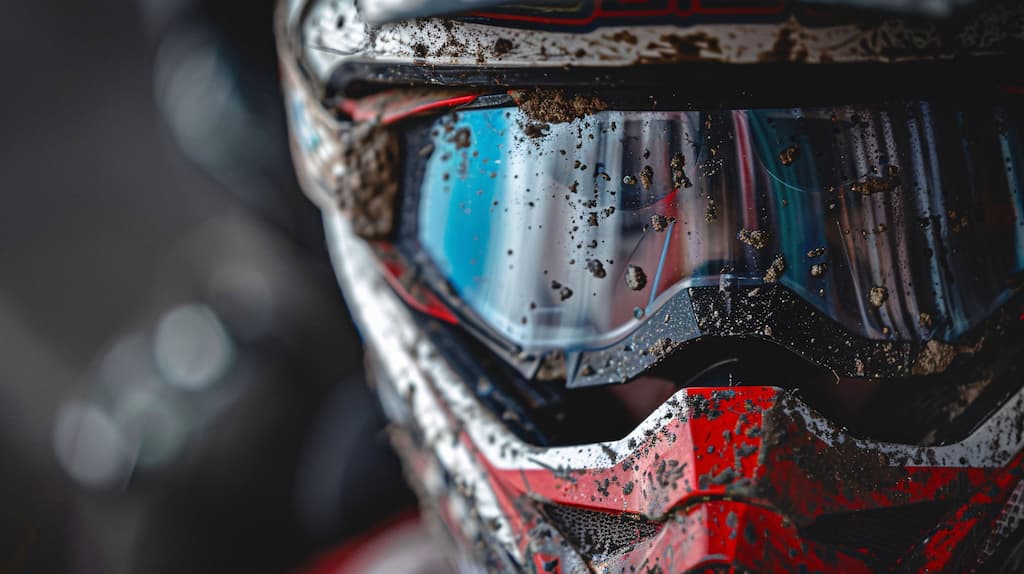
What type of helmet is valid for quads?
The helmet must be approved according to current European regulations. Currently, it must comply with the ECE R22.05 standard or its most recent update (ECE R22.06).
There are different types of valid helmets:
- Full-face helmet (recommended): offers the highest level of protection for the face, head, and jaw.
- Modular helmet: combines features of open and full-face helmets, but must be worn closed while riding.
- Jet or open-face helmet: legal but less recommended for off-road routes due to lower facial protection.
It is recommended to use a full-face helmet for activities on trails, uneven terrain, or dusty routes, as it provides more complete protection against impacts, stones, or branches. It should always be properly fitted and fastened.
What fine can I get for not wearing a helmet?
The penalty for driving a quad without a helmet is €200 and the loss of 3 points from your driving license. Additionally, the Civil Guard or police may immobilize the vehicle. In the event of an accident, not wearing a helmet may also lead to issues with insurance coverage.
When is a helmet not mandatory?
There are very few exceptions. A helmet is not mandatory if the quad is approved with a closed cabin or seat belts, as is the case with certain agricultural models. However, these cases are highly specific and must meet technical requirements.
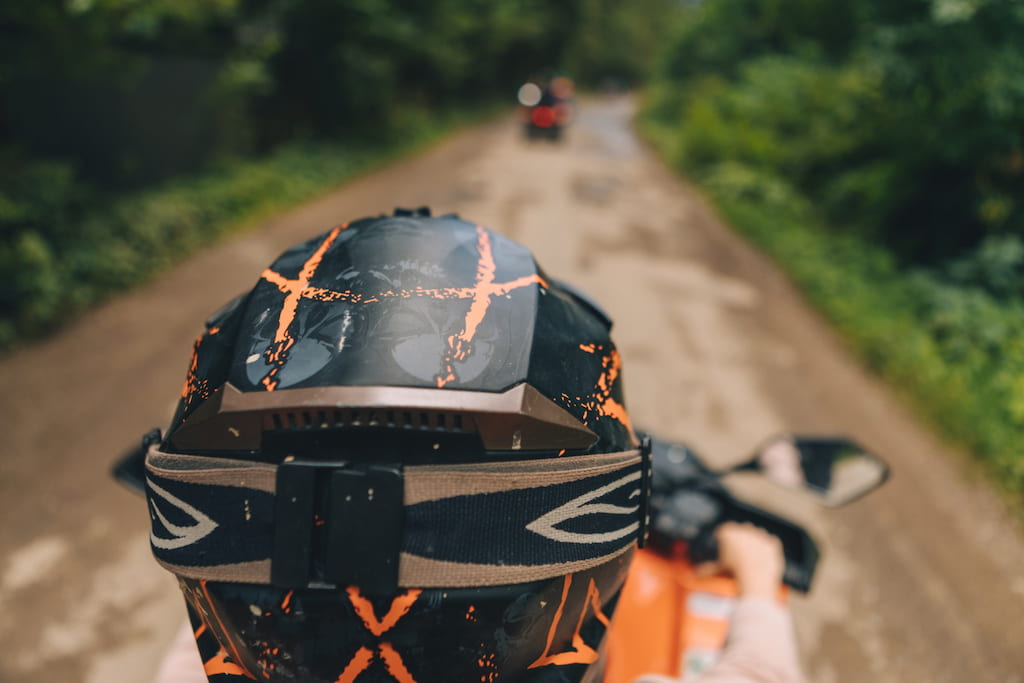
What is the 2025 helmet rule?
It is a regulatory update promoted by the DGT and in force since January 2025. It states that all ATV, buggy, or quad-type vehicles must comply with the mandatory helmet use rule, with no exceptions based on road type or trip duration. It also requires tour operators to ensure the use of approved equipment.
Why did helmet use become mandatory?
The increase in serious accidents during leisure routes and misuse in rural areas prompted the regulation. Road safety studies showed that more than 70% of serious quad injuries could have been avoided with proper helmet use.
Conclusion
The helmet is mandatory on quads according to current regulations.
The 2025 helmet rule closed legal loopholes and applies to everyone.
Exceptions are minimal and only for specific vehicle types.
Fines of up to €200 for not wearing one.
Helmets reduce injuries by up to 70%.